Engineering · I
Roman Concrete
Opus caementicium — a volcanic-ash mortar that gets stronger under seawater. Recent research shows it self-heals through lime clasts that re-crystallise when cracked.
Origin
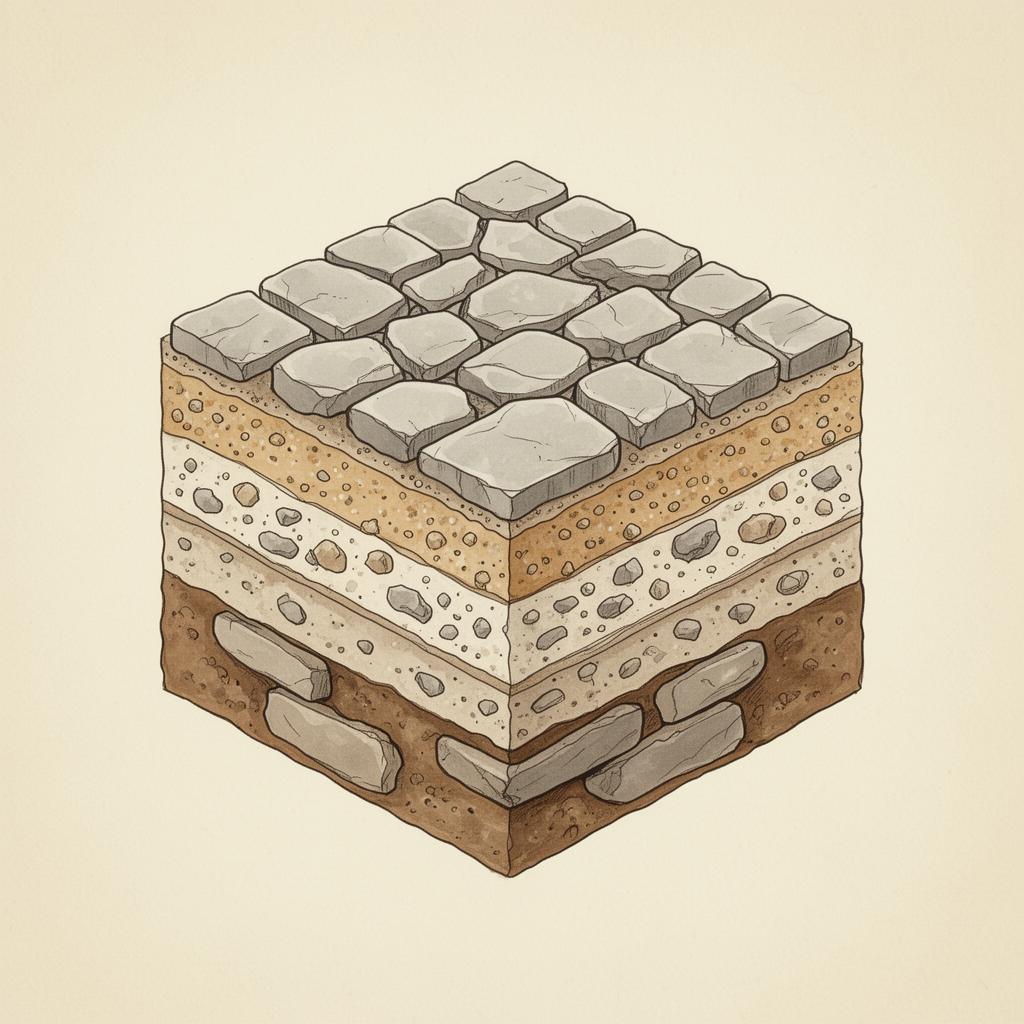
Roman synthesisLime mortar existed across the Mediterranean. The Roman breakthrough was mixing pulvis puteolanus — volcanic ash from the Bay of Naples — with quicklime and seawater, producing a hydraulic cement that cured underwater.
Roman use
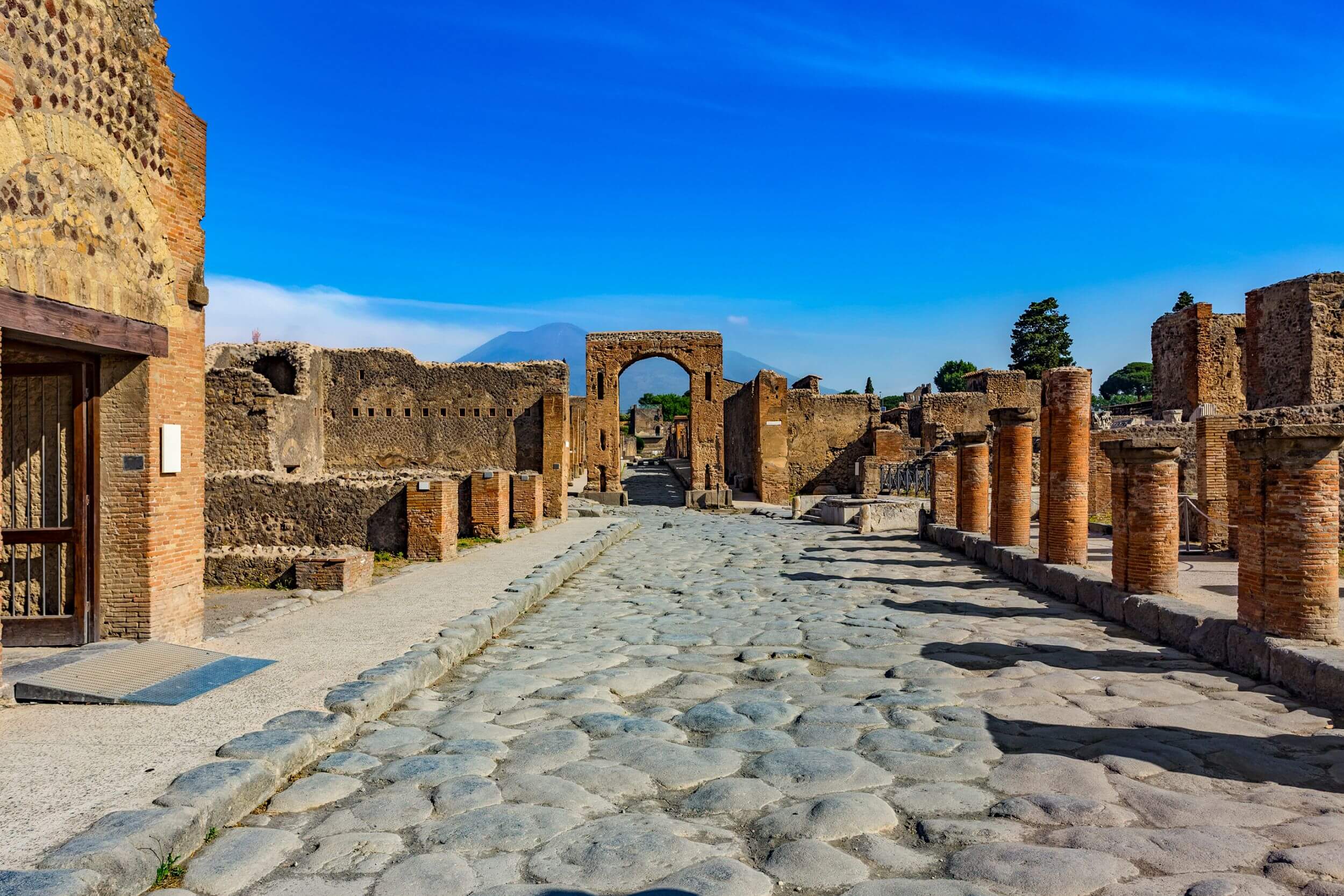
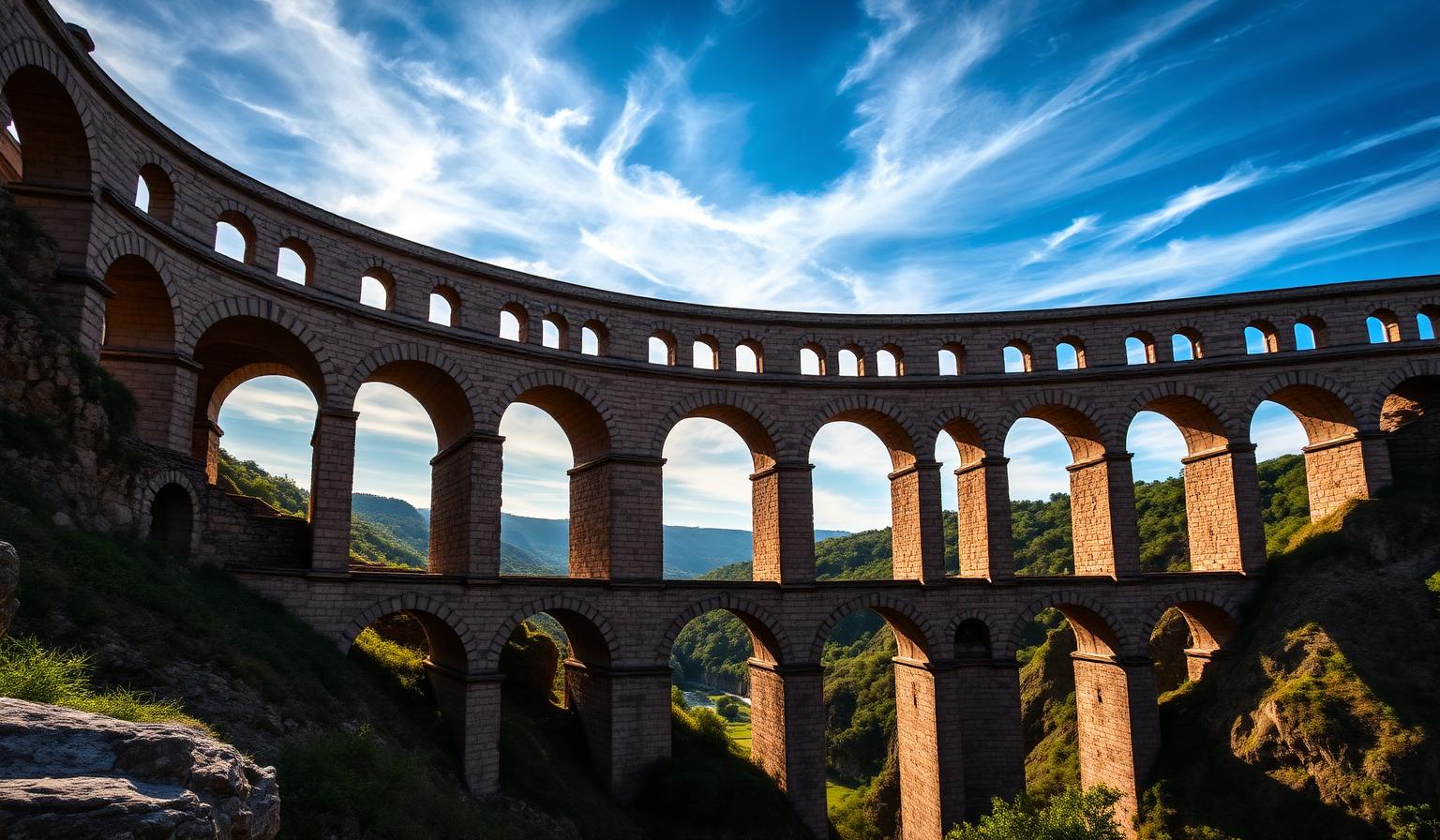
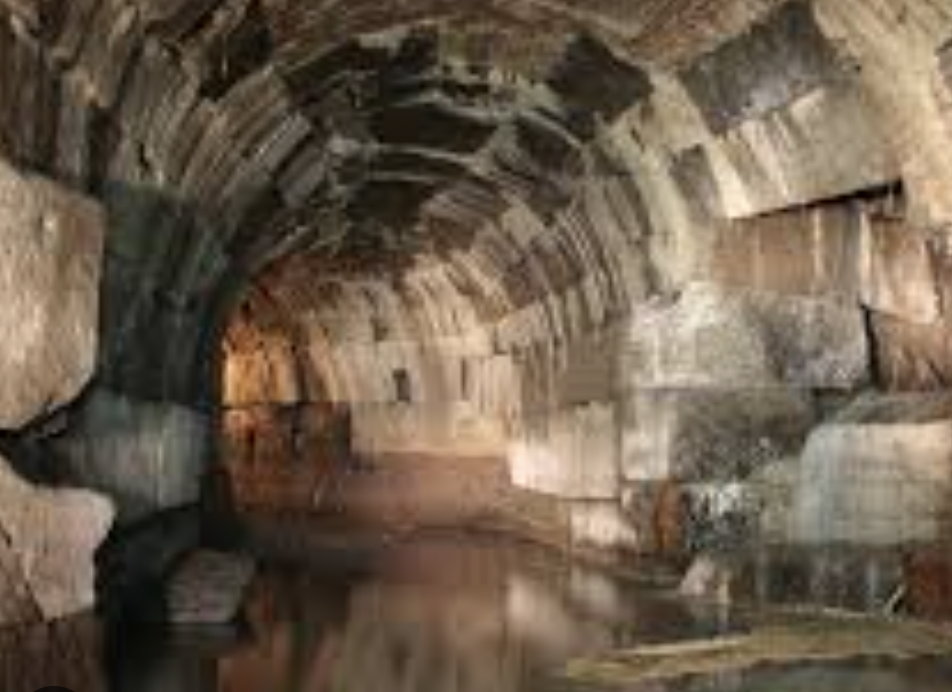
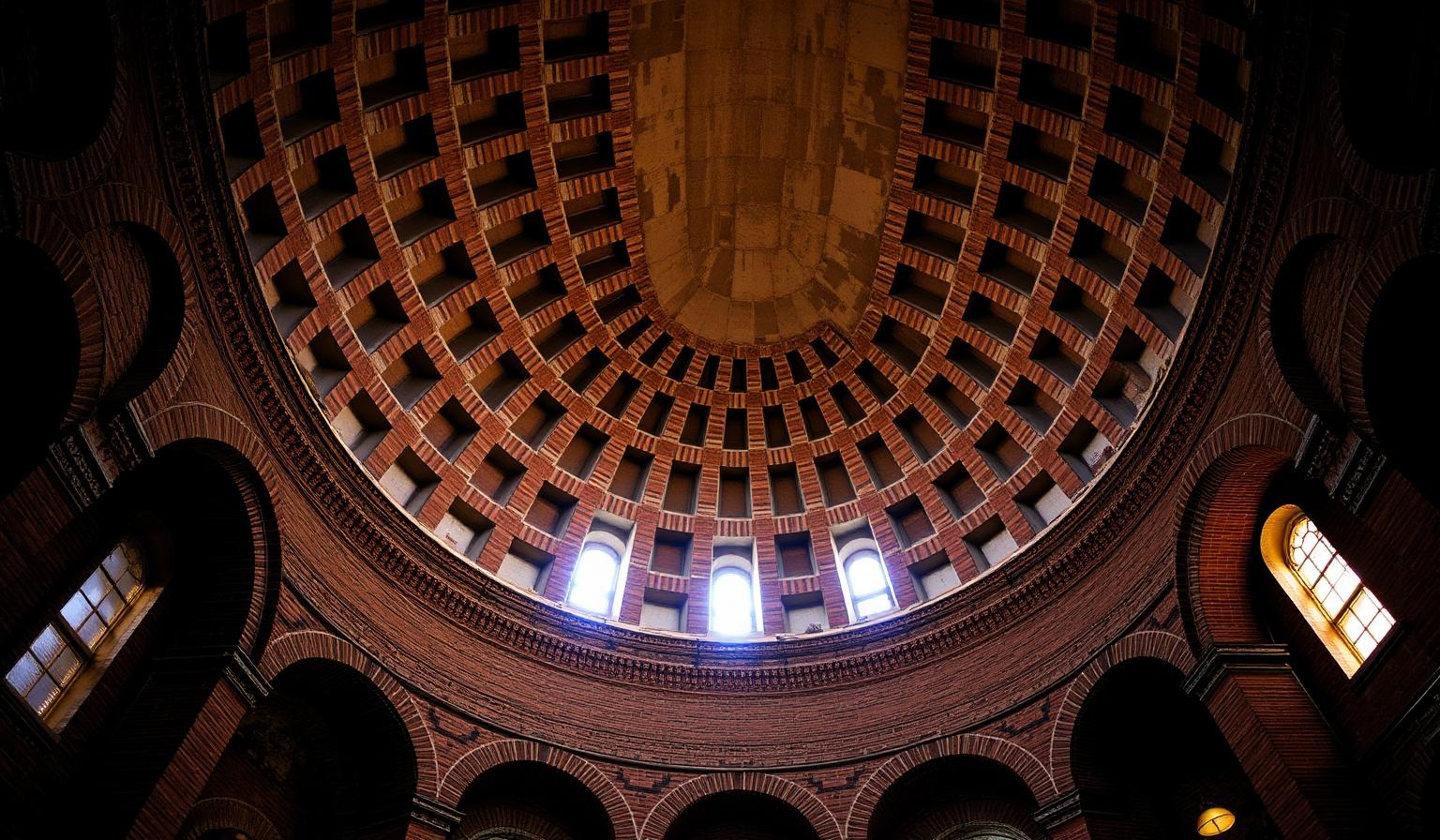
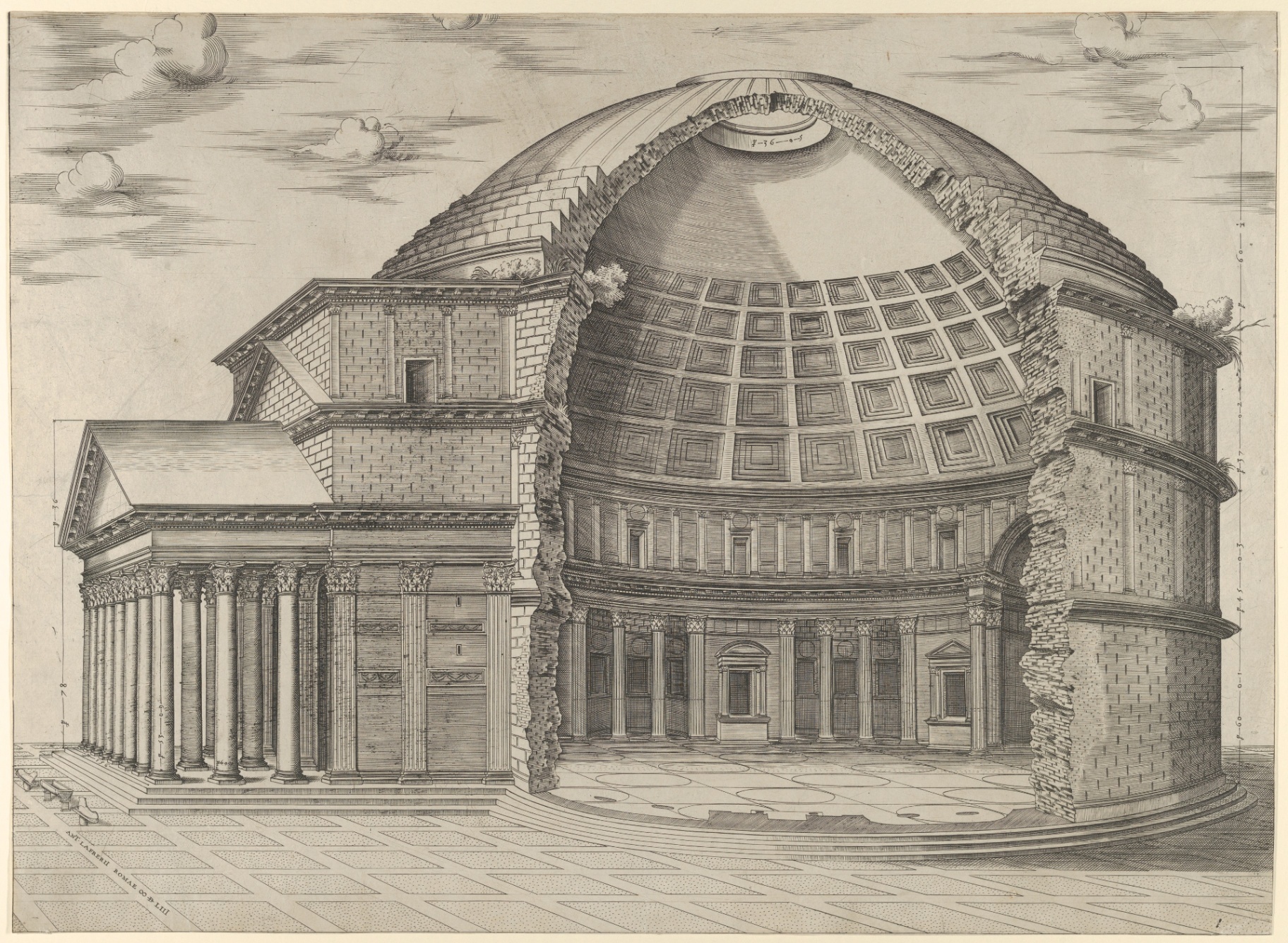
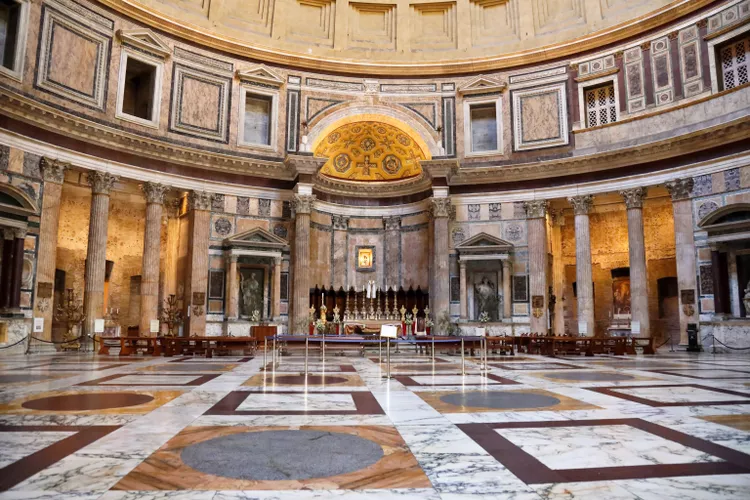
Empire-wideFoundations for harbours (Caesarea Maritima), the Pantheon's dome, the substructure of the Colosseum, baths, aqueduct channels, and over a thousand kilometres of retaining walls. It enabled the arch and the vault to scale.
Modern echo
In use todayPortland cement (1824) is chemically different but conceptually descended. Recent work (MIT, 2023; Nature Communications, 2025) reverse-engineers the self-healing chemistry for next-generation concretes — including for marine and nuclear-waste containment.
The recipe
- • 1 part quicklime (CaO)
- • 3 parts pozzolana (volcanic ash)
- • Aggregate: tufa, brick rubble, pumice (for low-density domes)
- • Mixed with seawater for marine work
Why it lasts
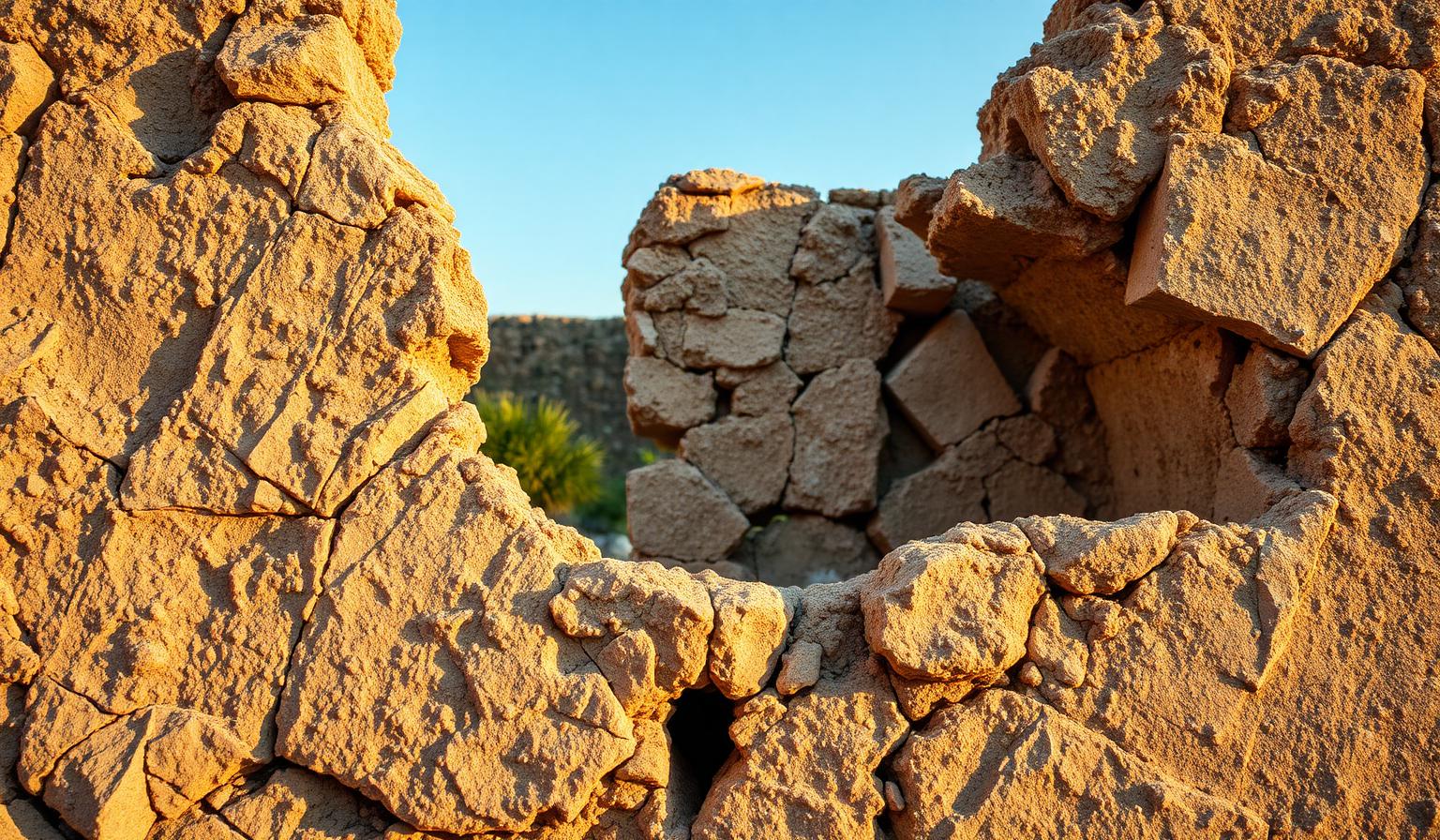
Lime clasts left from "hot mixing" act as a chemical reservoir: when water reaches a crack, calcium re-precipitates and seals it. The Pantheon's dome has held for ~1,900 years with no rebar.
Origin attribution
Roman synthesis · 60%Greek lime tradition · 25%Etruscan masonry · 15%
© 2026 Ryan Jensen. All rights reserved.