Engineering · IV
Cloaca Maxima & Public Sanitation
The 'Greatest Sewer' has been draining the Roman forum continuously since the 6th century BC — one of the oldest pieces of civic infrastructure still doing its original job. Read more in this Spoken Past deep-dive.
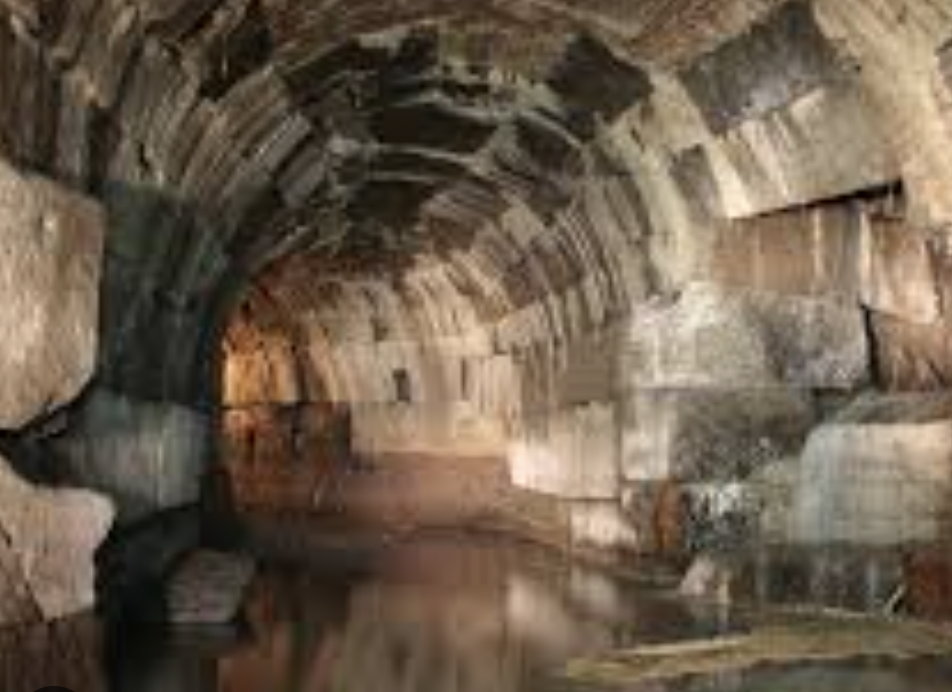
Origin
Etruscan, then RomanBegun under Tarquinius Priscus (c. 614 BC) and finished under Tarquinius Superbus to drain the marshy valley that became the Forum Romanum. Originally a monumental open-air canal walled with 1.25 m blocks of cappellaccio tuff — Plautus still called it a canalem. It was only vaulted over starting in the 2nd century BC, then patched and extended through Augustus, Agrippa, Domitian and Trajan.
Reclaiming the valley
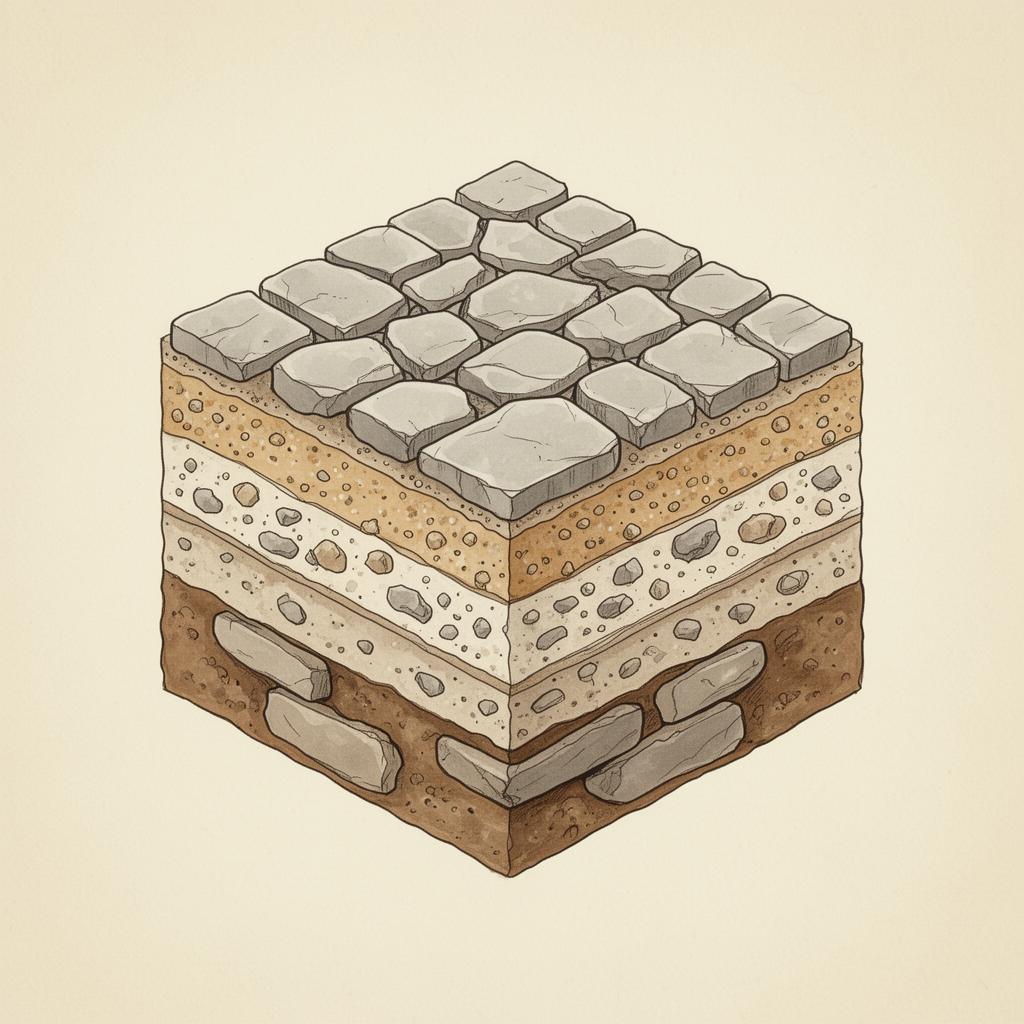
10–20,000 m³ of fillBefore the drain could work, the basin itself had to be raised. Workers dumped 10,000–20,000 m³ of tuff and gravel into the valley, lifting the ground roughly 2 m above the worst Tiber floods. The trunk sewer then carried springs, runoff, bath water and aqueduct overflow out to the Tiber — its 4.7 m arched mouth is still visible on the riverbank today.
Still with us
Yes — literallySections of the Cloaca Maxima are still part of Rome's active stormwater system 2,600 years later. Modern combined sewers (London, Paris, NYC) follow the same gravity-fed, vaulted-tunnel logic.
Public toilets
Foricae were social spaces — long marble benches over running water, with a continuously flowing channel at foot level for the shared sponge on a stick (tersorium). Cleanliness was civic, not private.
Goddess of the drain
Romans deified the sewer itself — Cloacina, originally an Etruscan purification goddess, had a shrine in the Forum directly above the main vault.
Origin attribution
Roman synthesis · 55%Etruscan engineering · 35%Indus / Minoan precedent · 10%
© 2026 Ryan Jensen. All rights reserved.