Vitruvius
c. 80–15 BCRoman military engineer under Caesar and Augustus. His ten-book De Architecturais the only architectural treatise to survive intact from antiquity, codifying proportion, materials and the famous firmitas, utilitas, venustas(firmness, utility, beauty). Rediscovered in 1414; foundational to the Renaissance.
Apollodorus of Damascus
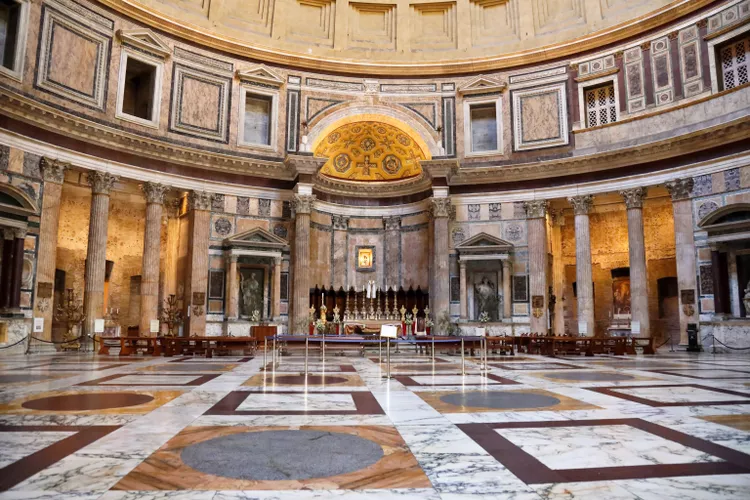
c. 50–130 ADSyrian-born engineer to Trajan. Built the colossal Pons Traiani over the Danube (1,135 m, the longest arch bridge for a thousand years), Trajan's Forum, Trajan's Column, and probably the original Pantheon's portico. Exiled and executed by Hadrian — possibly over an architectural argument.
Galen of Pergamon
129–c. 216 ADGreek physician to Marcus Aurelius. ~500 surviving treatises on anatomy, pharmacy and physiology shaped Western and Islamic medicine for 1,400 years. Coined or described concepts still in use: arterial pulse, nerve function, polypharmacy.
Sextus Julius Frontinus
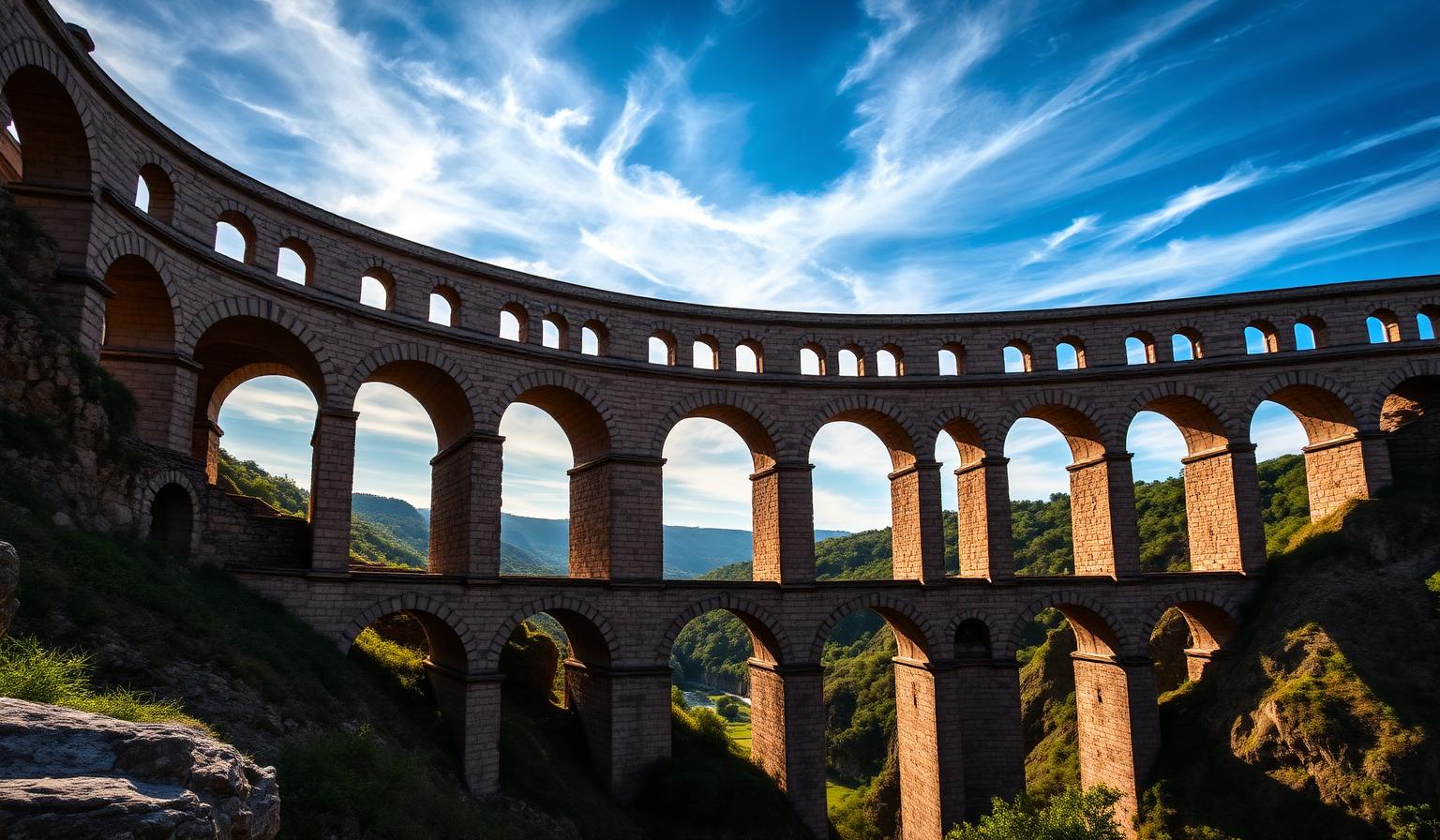
c. 40–103 ADCurator Aquarum (water commissioner) of Rome under Nerva. His De Aquaeductuis the world's first engineering audit — measured flow rates, inventoried fraud, and documented the design of every aqueduct serving the city.
Marcus Vipsanius Agrippa
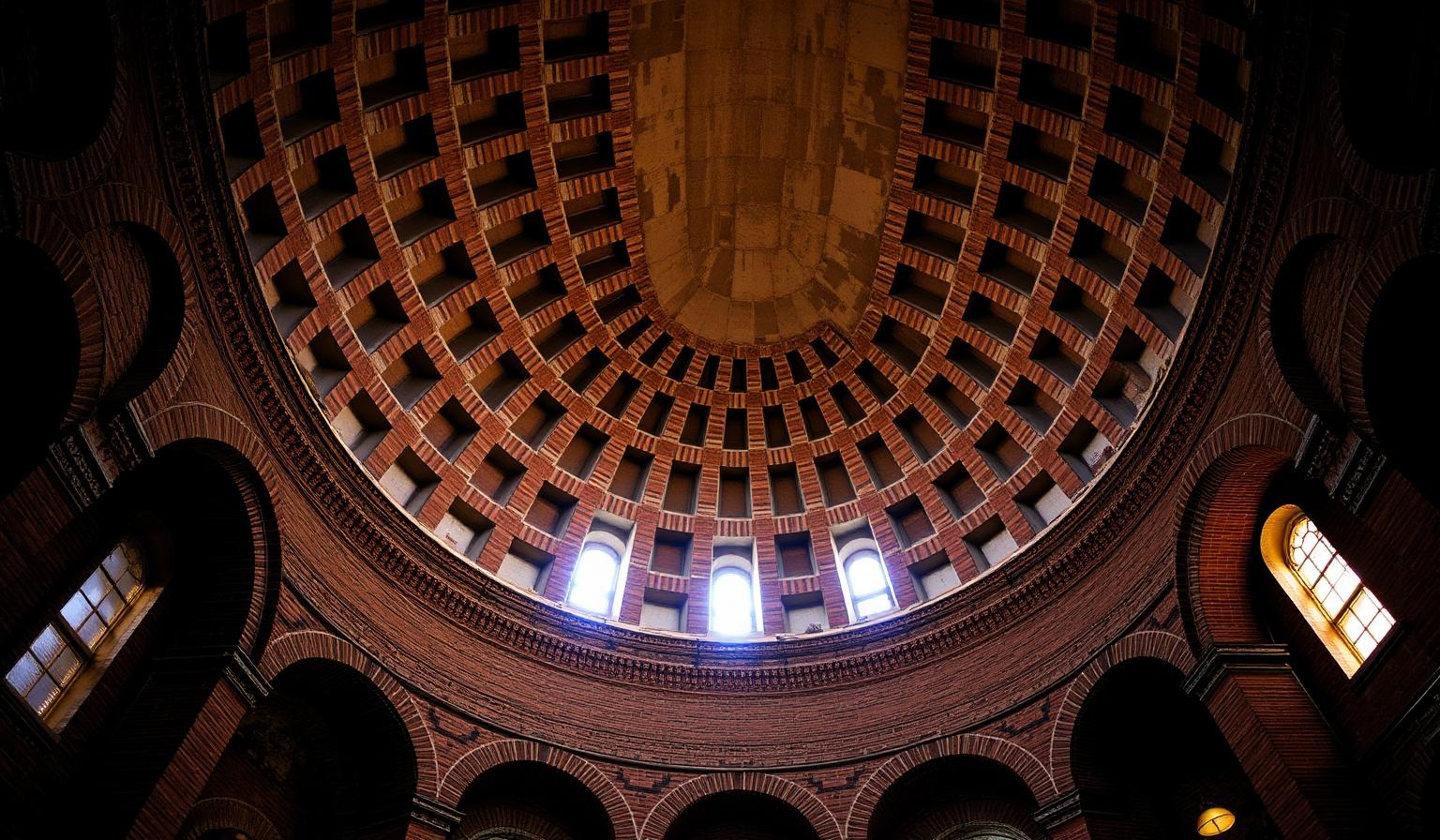
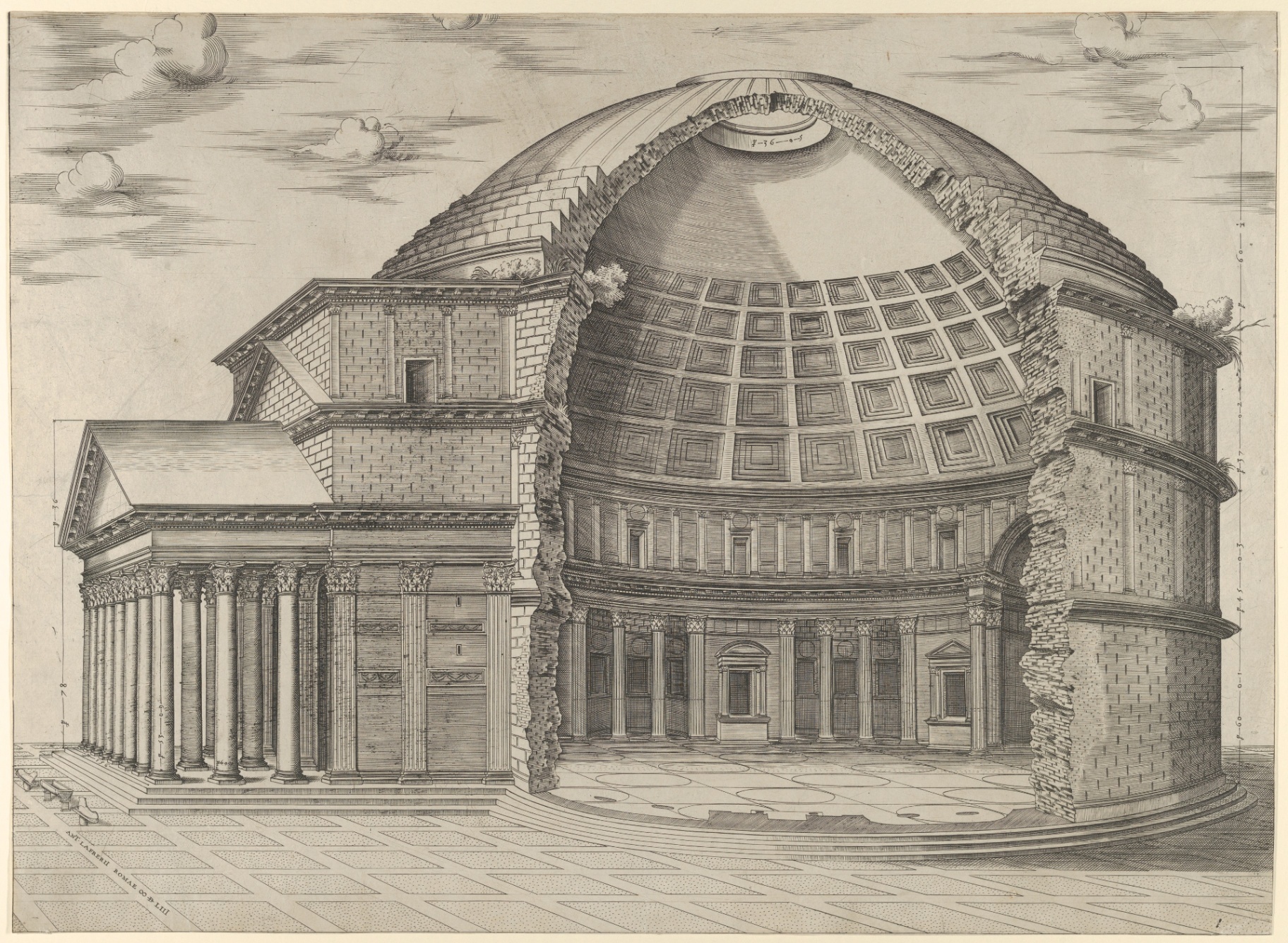
63–12 BCAugustus's general and son-in-law. Built the first Pantheon, the Aqua Virgo, the Aqua Julia, and the Baths of Agrippa — and reorganised Rome's water administration into a permanent state office.
Soranus of Ephesus
1st–2nd c. ADGreek physician practising in Rome under Trajan and Hadrian. His Gynaecologywas the standard reference on obstetrics and infant care into the Renaissance — and notable for its empirical, anti-magical tone.
Hero of Alexandria
c. 10–70 ADGreek-Egyptian engineer in Roman Alexandria. Built the aeolipile (the first recorded steam engine), vending machines, and a programmable cart. Roman in citizenship, Hellenistic in tradition.
Pliny the Elder
23–79 ADNaval commander and encyclopaedist. His 37-book Naturalis Historia is the single richest surviving record of Roman technology, pharmacy, metallurgy and agriculture — until it killed him at Vesuvius.
The anonymous many
Architecti, mensores, fabri, machinatores. The named engineers above sit atop a guild culture of trained slaves, freedmen and legion specialists whose names we will never know — and who built most of what survives.